Women's Right to Privacy Initiative
Learn more about the new initiative to protect women's private health information in court documents.
Learn more about the new initiative to protect women's private health information in court documents.
Welcome to the Cook County Clerk of the Circuit Court’s official website. Here you can find court information, self-help resources and other useful resources for navigating our Office. The Cook County Circuit Court is the largest court system in Illinois and the second largest unified court system in the world. Our staff is composed of more than 1,400 employees.
Our primary function is to attend court sessions and make, keep, and preserve all records of the court. Currently, we have approximately 24 million case files, of which 3.9 million are active case files. In addition, we serve as the administrative arm of the Court and are responsible for all financial duties relating to the Court system.
The Illinois Supreme Court’s Remote Access Policy allows Illinois licensed attorney and Justice Partners to have the same access to court records remotely, as if they were in the courthouse. Justice Partners include, but are not limited to, the State Attorney's Office, Public Defender, Law Enforcement, Department of Social Services, and other authorized agencies. To register with CCC Portal, Illinois attorneys must have an active license to practice in the State of Illinois.
The Clerk of the Circuit Court of Cook County provides on-line case information as a public service. This service is intended to be used as a resource to determine the general status of historical and active court cases. The information is not the official record of the court.
The case data available on-line is the electronic docket which contains brief summaries of court documents and court events in a particular case. The electronic docket information available through this service is not the official record of the court.
The official court records are held and maintained in the hard copy paper files in the courthouse or other official Clerk's repositories. Any and all information contained within the on-line database is recorded as a brief summary from the paper documents with an understanding that the information is true and correct in as far as all aspects of the documents physically filed with the Clerk of the Circuit Court.
Based on the procedures used to update the electronic docket search databases, it may sometimes take a few days before updated information is available through the on-line electronic docket search function.
Please use this link to access the on-line case information search function.
Please note: Neither the Circuit Court of Cook County nor the Clerk of the Circuit Court of Cook County warrants the accuracy, completeness, or the currency of this data. This data is not an official record of the Court or the Clerk and may not be represented as an official court record. If data does not appear in a specific field, we likely do not have the responsive data in our master database.
If you are looking for information on a very recent court filing or event, please check the Circuit Court Clerk's Public Access Terminals located in the courthouses or try the on-line system at later date.
For information about accessing and using the Circuit Court Clerk’s Public Access Terminals, please review the following:
The Circuit Court of Cook County allows many cases to proceed by phone or video. This is called a “remote” or “virtual” hearing. If you do not have a computer, you can join a remote hearing by phone. If you do not have a phone, you can ask the Circuit Court what other options they offer - you may be able to attend court in-person, or you may be able to use a Zoom room at the courthouse.
For a full list of zoom meeting ID's, courtrooms, and Zoom passwords by Court location visit the Office of the Chief Judge's website linked below.
As of July 1, 2018, E-Filing became mandatory in Illinois for all Civil Areas (except Quasi-Criminal, Housing and Wills). The Illinois Supreme Court mandated Cook County to Utilize the Statewide Electronic Filing System (eFileIL) for Civil Case Filings in Cook County - Illinois Supreme Court Order M.R. 18368. E-Filing will streamline the process for filing documents, generating long-term cost savings.
Please access this link for more information on each Electronic Filing Service Provider’s (EFSPs) Website and to begin the E-File process.
The eFileIL System is not proprietary to the Clerk of the Circuit Court of Cook County.
The eFileIL System is the Illinois Supreme Court's statewide e-filing initiative providing a uniform filing experience for Attorneys and Self-Represented Litigants (SRLs) to any Illinois court using technology provided through the Administrative Offices of the Illinois Courts using software provided by Tyler Technologies. For any questions, comments, or concerns, please contact Tyler Technologies at: efiling.support@tylertech.com.
Our Customer Service Call Center is our new centralized support resource for court users.
The center operated from Monday - Friday, 8:30 am - 4:30 pm (excluding court holidays).
On-line Payment for Court Fines and Fees
Online payments can be made if you appear in court and are issued a court fine and/or court fee that you have not yet paid and and there is an outstanding balance due on your case.
Please access this link to make an online payment of court fines and fees. For a list of provider numbers and product ID's that may be needed to provide the correct payment information click here.
Traffic Court Diversion Payments
You can also pay online to resolve Court Diversion eligible traffic tickets. Click the link below for more information on how to resolve eligible tickets in the following ways:
NOTE: Please be advised that when you use the above links to make an online payment, you will be redirected to a 3rd party site of LexisNexis to make payment of the court issued fine and/or fee. To use this process, please note that you will be leaving the Clerk of Circuit Court of Cook County’s website. For questions, please contact LexisNexis at 800-669-8312.
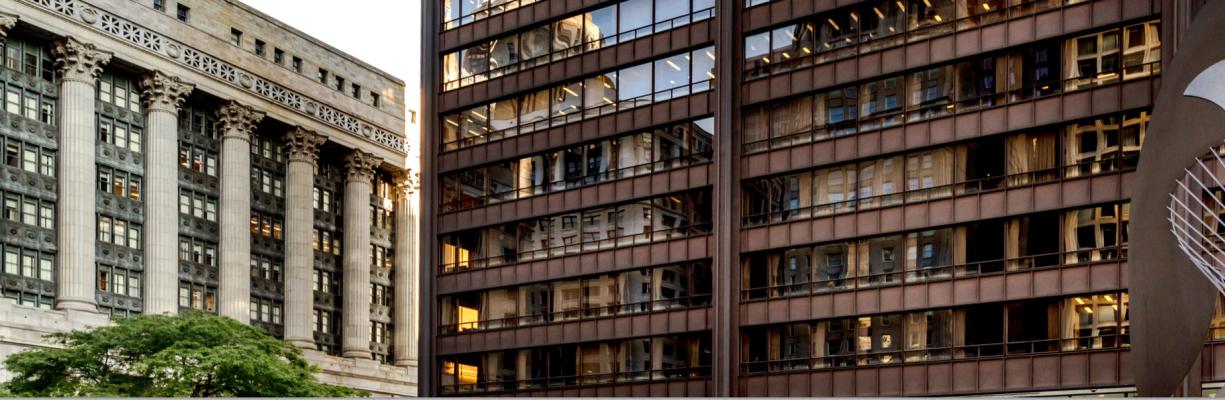
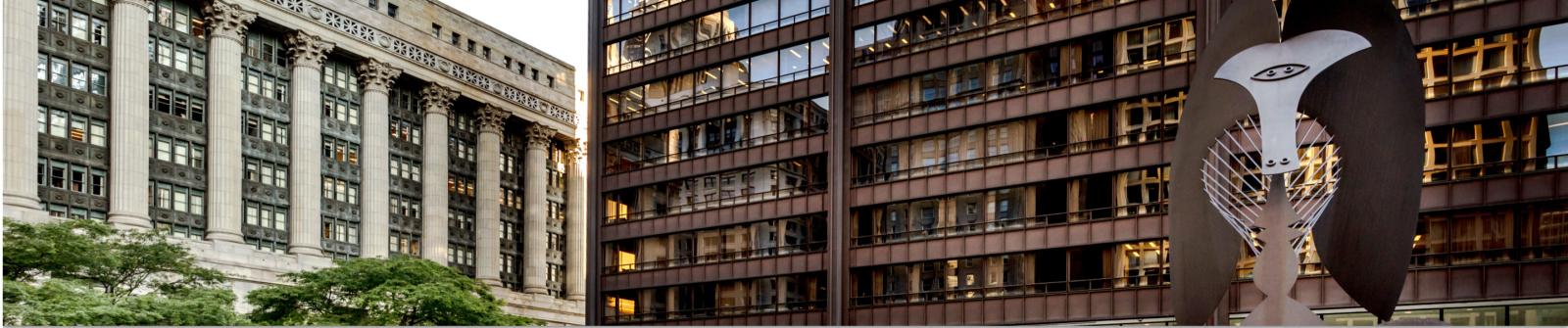
First Municipal District - Richard J. Daley Center
Richard J. Daley Center 50 West Washington Chicago, IL 60602
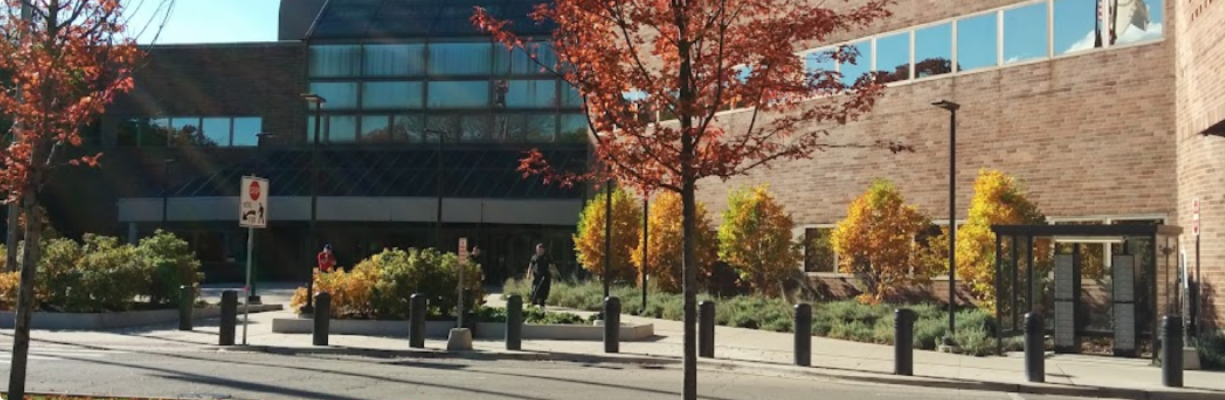
Second Municipal District - Skokie Courthouse
5600 Old Orchard Road Skokie , IL 60077
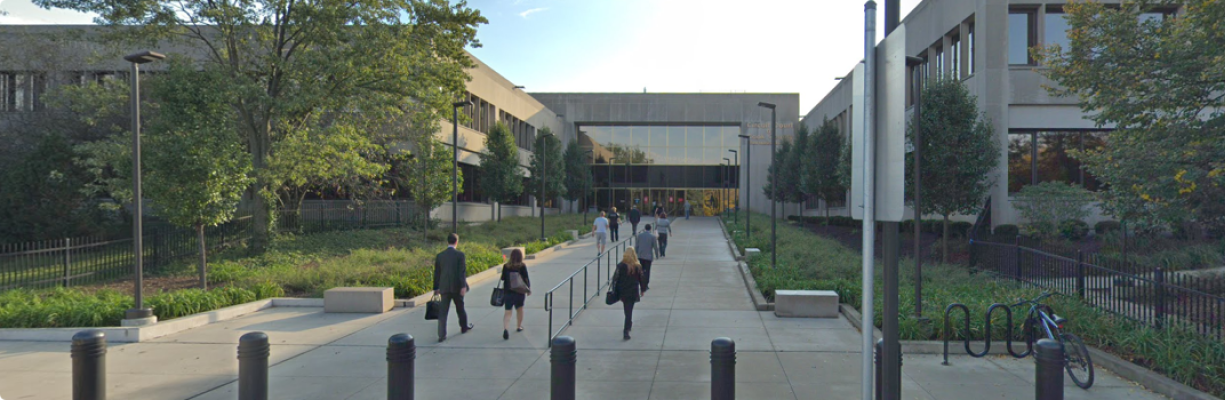
Third Municipal District - Rolling Meadows Courthouse
2121 Euclid Avenue Rolling Meadows, IL 60008
Fourth Municipal District - Maywood Courthouse
1500 Maybrook Drive Maywood , IL 60153
Fifth Municipal District - Bridgeview Courthouse
10220 South 76th Avenue Bridgeview , IL 60455
Sixth Municipal District - Markham Courthouse
16501 South Kedzie Parkway Markham , IL 60428